The work was carried out under State Contract No. K.2025.002 dated July 14, 2025, concluded with the Department for Subsoil Use in the Northwestern Federal District, on the Continental Shelf and in the World Ocean (Sevzapnedra).
The primary objective of this phase was a detailed study of the geological structure of the Semenov-3 and Semenov-5 ore fields, the acquisition of factual geological material, and baseline data for refining the characteristics of sulfide ores and subsequent assessment of predicted resources.
Expedition to the Atlantic Ocean
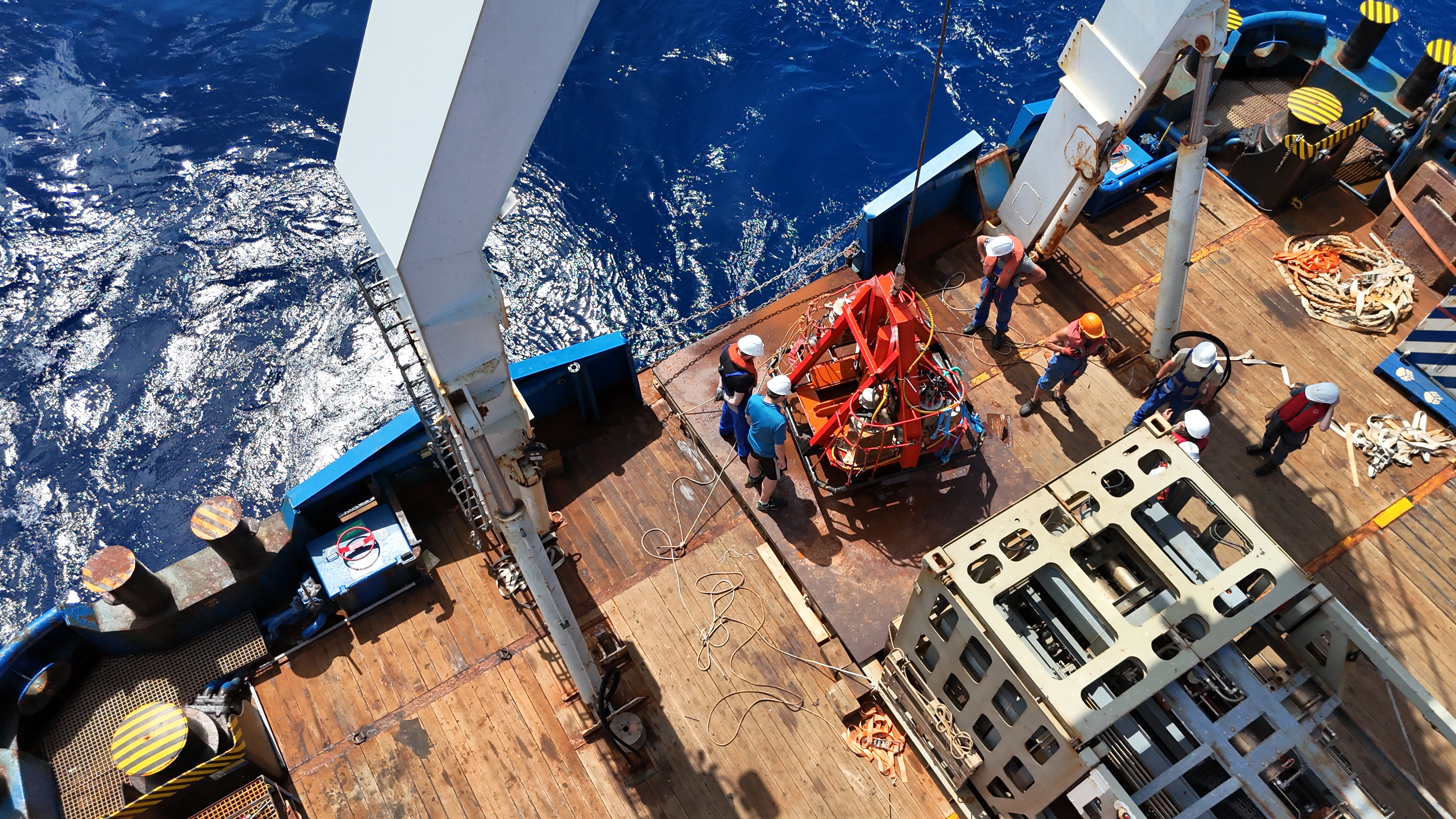
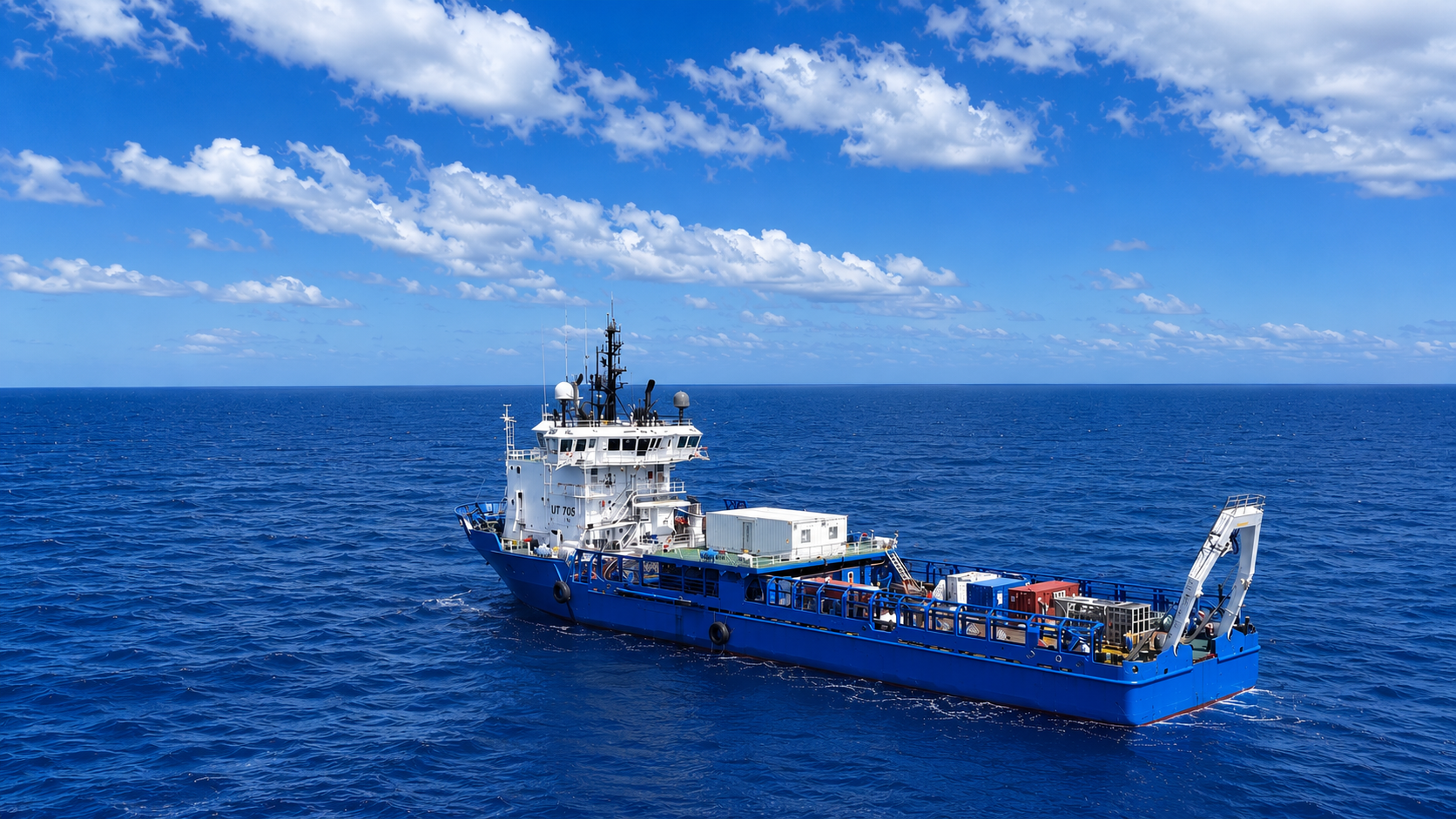
The offshore operations were conducted aboard the research vessel Fedor Kovrov.
The study area is located in the central part of the Atlantic Ocean, within the axial zone of the Mid-Atlantic Ridge. The Russian exploration area for deep-sea polymetallic sulfides includes a group of sub-blocks in the southern part of the Russian Exploration Area for Polymetallic Sulfides (REA-PS), including the Semenov-3 and Semenov-5 ore fields.
The expedition cruise constituted a large-scale logistical and technological operation. The vessel departed from Vladivostok and proceeded to the Atlantic Ocean via the Panama Canal.
Comprehensive Seafloor Investigation
During the field phase, JSC MAGE implemented a comprehensive suite of investigations, ranging from remote visual seafloor surveys to direct ore material sampling and experimental methodological drilling operations.
At the Semenov-3 and Semenov-5 ore fields, photo-television profiling was conducted over a total length of 28.59 linear kilometers. Concurrently, rapid processing of the acquired data was performed aboard the research vessel.
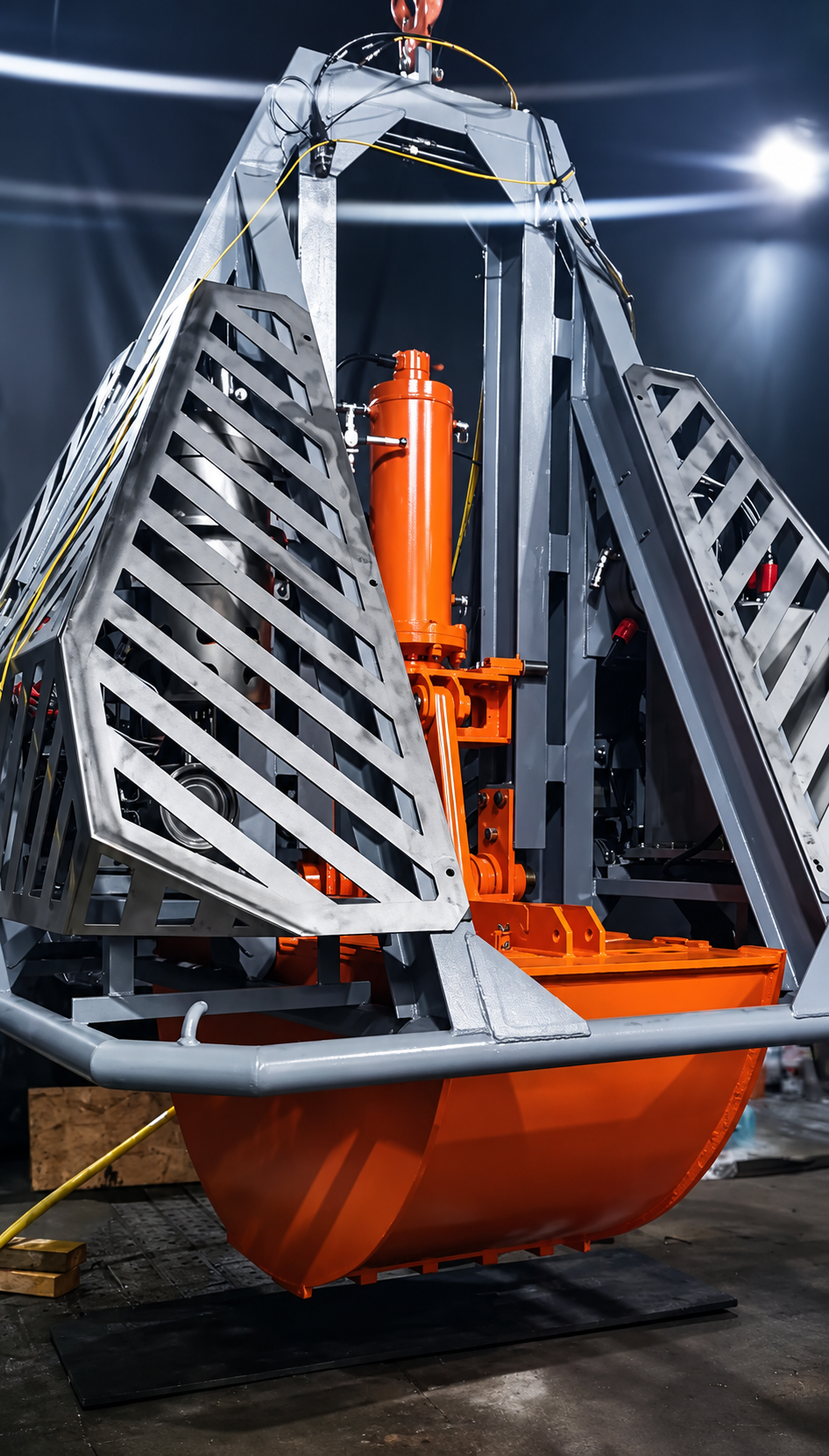
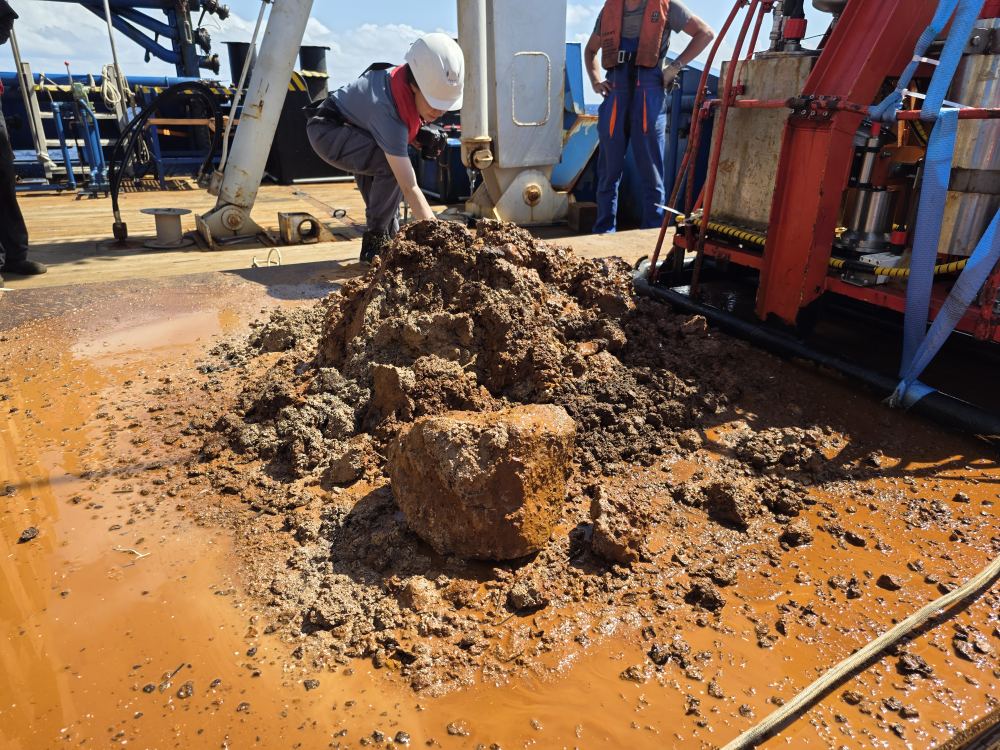
Geological sampling using a television grab was of particular significance: 21 stations were completed. The recovered material underwent primary geological description, sorting, weighing, macroscopic diagnostics, and photographic documentation, with the identification of morphological and mineral types of ores and host rocks.
The television grab was simultaneously used to obtain video footage of the seafloor condition and to monitor the sampling process.
From Field Material to Comprehensive Ore Assessment
The expedition's work was not limited to direct sampling.
Geological, biological, and engineering-geological laboratories were established aboard the vessel. As a result of the expedition, 210 samples were prepared for subsequent analytical studies, and 189 specimens were selected for the preparation of polished sections and transparent-polished thin sections.
Concurrent background environmental studies were conducted. During geological sampling, 21 epifauna samples and 63 infauna samples were collected and preserved for subsequent analysis in a specialized laboratory.
Experimental Methodological Work with the Deep-Sea Drilling System
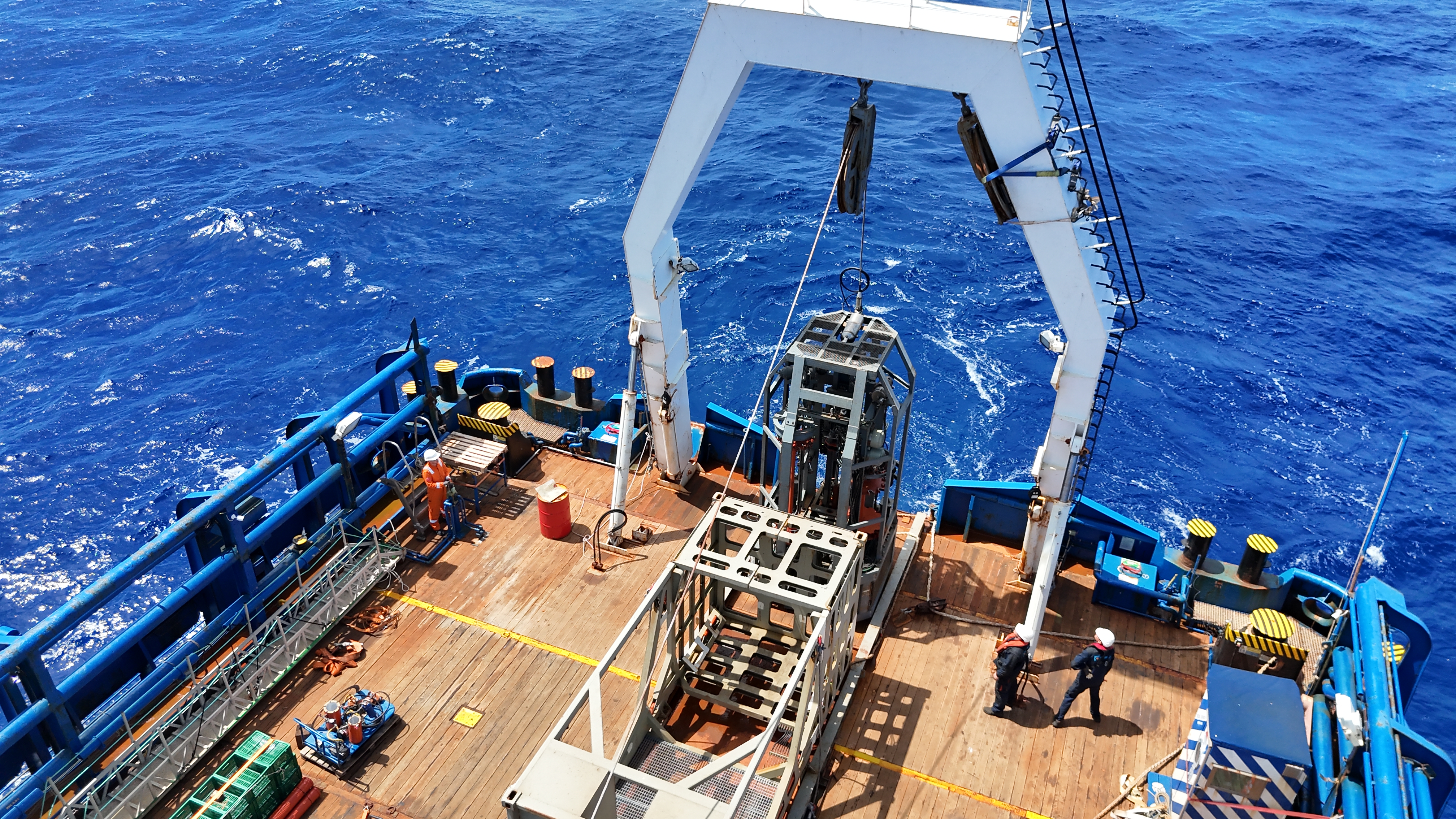
Another important area of the field phase was experimental methodological work using the BK-15 deep-sea drilling system.
The drilling system is rated for operations at depths of up to 6,000 meters and allows drilling boreholes to a depth of 15 meters per drill pipe run, recovering core with a diameter of 50 mm. During preparation and execution of the work, its compatibility with the vessel's onboard systems including the winch, gantry, and ramp was confirmed.
The work yielded a substantial volume of primary geological-geophysical, geological, environmental, and laboratory data. These data serve as the foundation for subsequent office-based processing, geological and geomorphological mapping, and the assessment of predicted resources of categories P1 and P2.
A New Stage in Deep-Sea Geological Exploration Development
The completion of the project's second phase represented not only another operational achievement for JSC MAGE but also a significant step in the development of competencies in conducting integrated deep-sea research.
The expedition demonstrated the capability to organize a full cycle of operations in a remote area of the World Ocean, utilizing the company's own research vessel, specialized deep-sea equipment, onboard laboratories, and modern navigation and positioning systems.
The materials obtained during the second phase provide the necessary foundation for further refinement of the geological structure of the Semenov-3 and Semenov-5 ore fields, study of the ore material composition, assessment of engineering-geological conditions, and preparation of data for the evaluation of predicted resources of deep-sea polymetallic sulfides.
MAGE Invests in Proprietary Technologies
One of the significant outcomes of the project's implementation was JSC MAGE's acquisition of its own television grab for conducting deep-sea geological exploration operations.
The acquisition of specialized equipment represents an important step in the development of MAGE's own production infrastructure. The television grab enables a comprehensive range of operations directly from the research vessel, including visual seafloor surveying, geological sampling, and material recovery.
For JSC MAGE, the project's execution represents another milestone in the development of deep-sea geological exploration expertise and the establishment of its own technological base for conducting integrated research in the World Ocean.